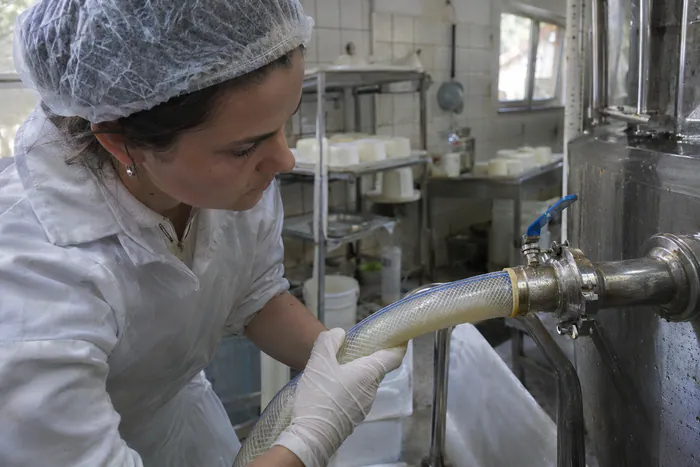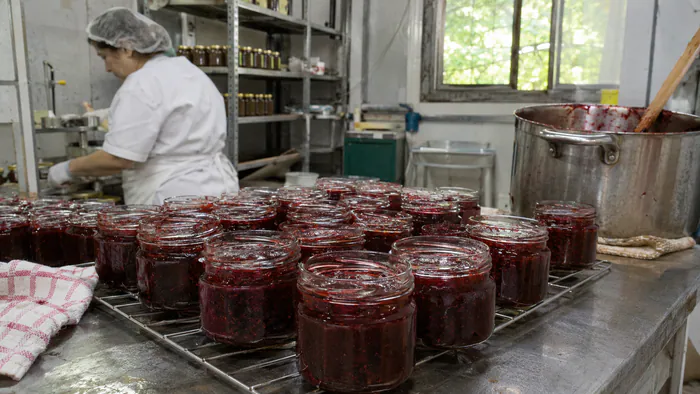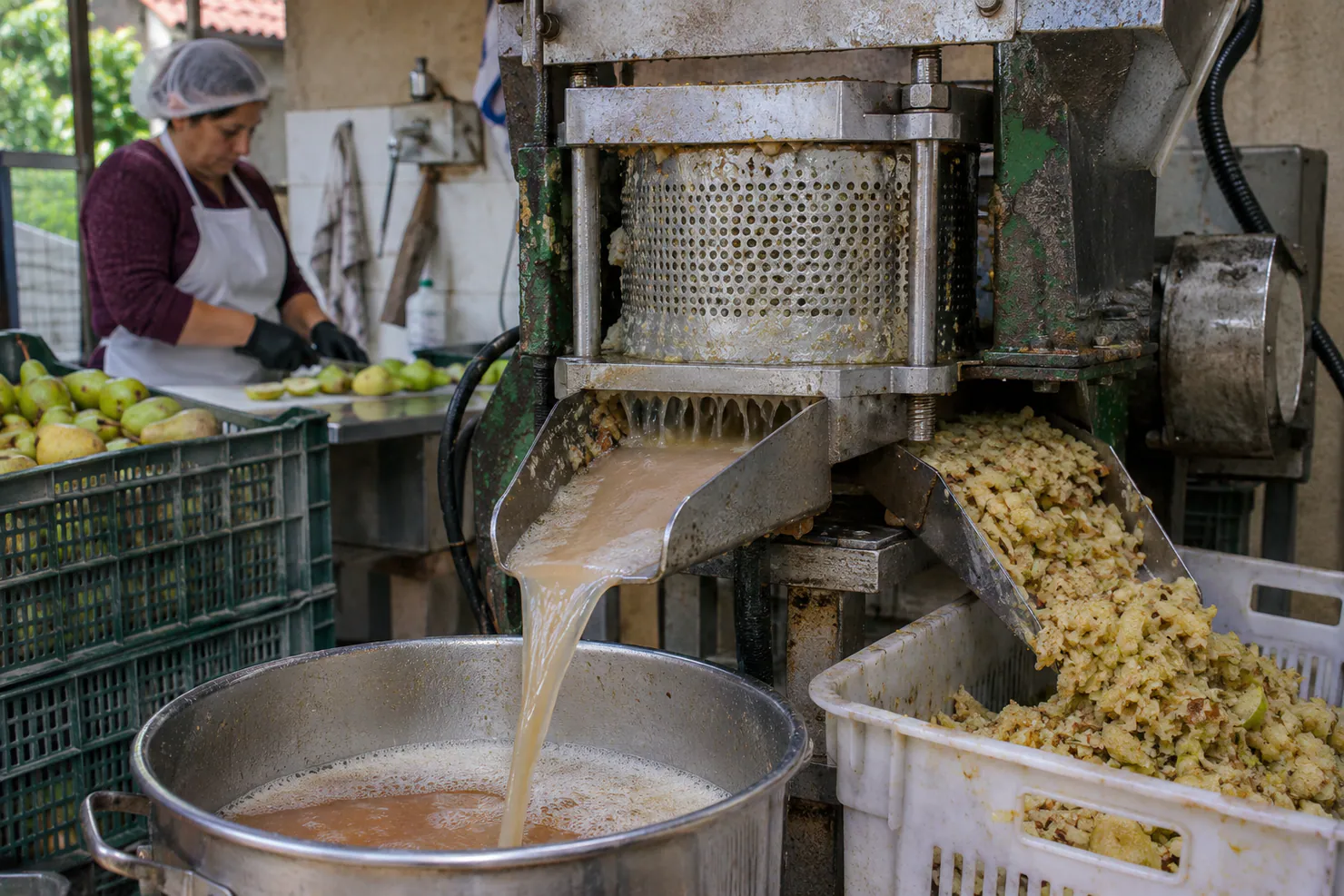
An unexplained difference between incoming ingredients and finished packs is a question worth tracing through the line.
Draw a boundary
Choose one batch or one shift and identify the start and finish points. Record the material already inside that boundary when the observation starts, including work in progress, and repeat the count at the end. A comparison is easier to interpret when everyone knows exactly what is included.
Name the streams
List the finished product, material held for another run, usable co-products, samples, rejects and residues. Record the measurement method as well as the amount. Keep estimates visible so that a rough bin-volume figure does not look as precise as a weighed pallet.
The useful measurement is the one the next shift can repeat.
Choose one investigation
Review the figures with production staff. Select one recurring loss that the team can measure reliably and investigate its cause before choosing a remedy. Any proposed change of use for a by-product needs a separate assessment of safety, suitability and the requirements of its intended destination.
- Agree where the observation starts and ends.
- Separate weighed material from estimates.
- Record the batch, time window and unit used.