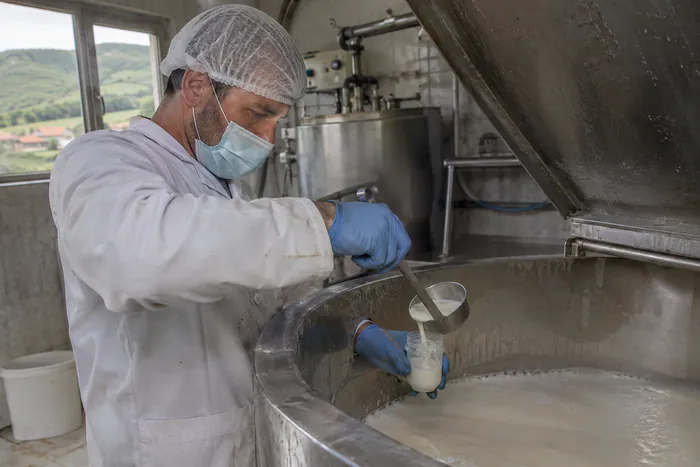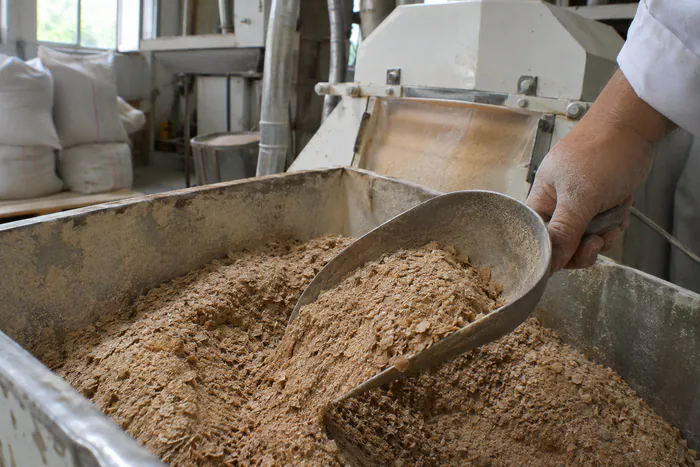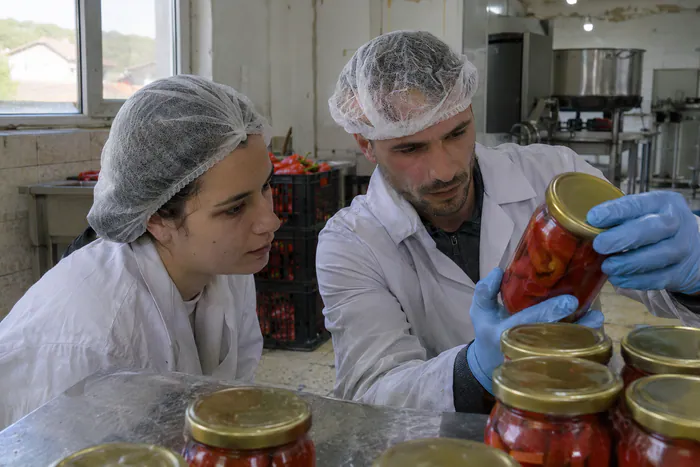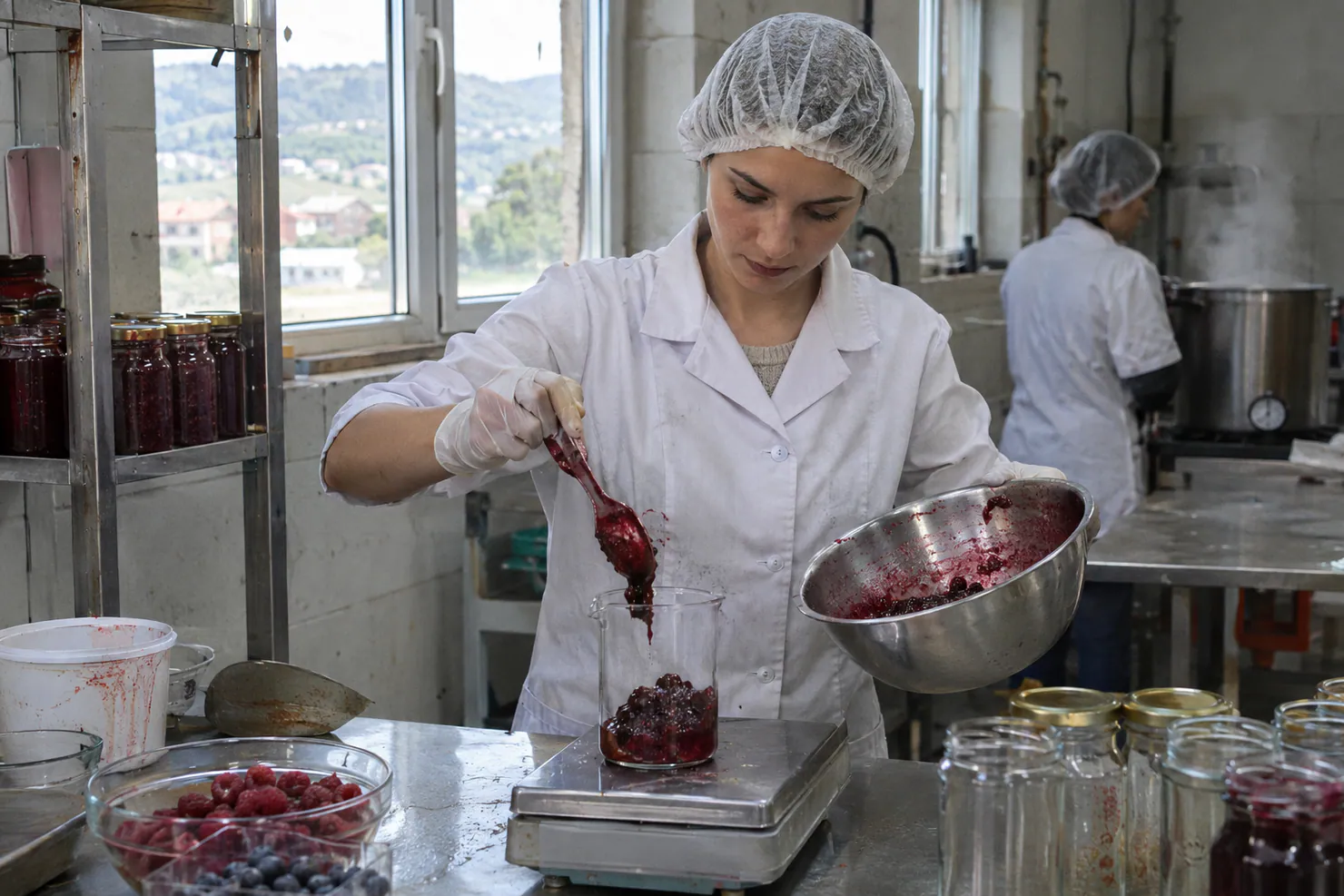
A new recipe often begins with a promising idea. Turning that idea into a decision starts with a brief that production, quality and commercial teams understand in the same way.
Describe the intended product
Write down who will use it, how it will be stored and served, the pack format and the production equipment available. Identify the characteristics that matter most to the customer. Keep unresolved questions beside the brief so they can be revisited as evidence becomes available.
Give the trial a question
Decide what change will be tested, what will remain constant and how the samples will be compared. Record ingredient lots, formulation, process settings and observations as the trial runs. A sample code is only useful if the team can trace it back to the conditions that produced it.
Before the first trial, agree which observation would change the next decision.
Plan the next decision
Compare the results against the brief and record which questions remain open. A successful bench trial may justify a pilot run. Shelf life, safety, labelling and the practical constraints of commercial production each need their own appropriate review before launch.
- Give every sample an identifier.
- Record the formulation and process conditions.
- Keep the comparison criteria with the results.